
Skin Checks and Skin Cancer Clinic in Canungra
Australia has one of the highest rates of skin cancer in the world, and living in a sunny, outdoor region like the Scenic Rim and Gold Coast Hinterland means regular skin checks are an important part of looking after your health. Our Skin Clinic at Canungra Town Medical Centre offers skin checks and the assessment, diagnosis, and management of skin cancers and other skin conditions for patients of all ages.
Whether you’ve noticed a new or changing spot, have a personal or family history of skin cancer, or simply want the reassurance of a professional skin check, our doctors are here to help.
Skin Checks and Skin Cancer Clinic in Canungra
A skin check is a head-to-toe examination of your skin to look for any spots, moles, or lesions that may need closer attention. During your appointment, your doctor will:
- Ask about your medical history, sun exposure, and any personal or family history of skin cancer, as these affect your individual risk.
- Examine your skin from head to toe, including areas that are easy to miss yourself.
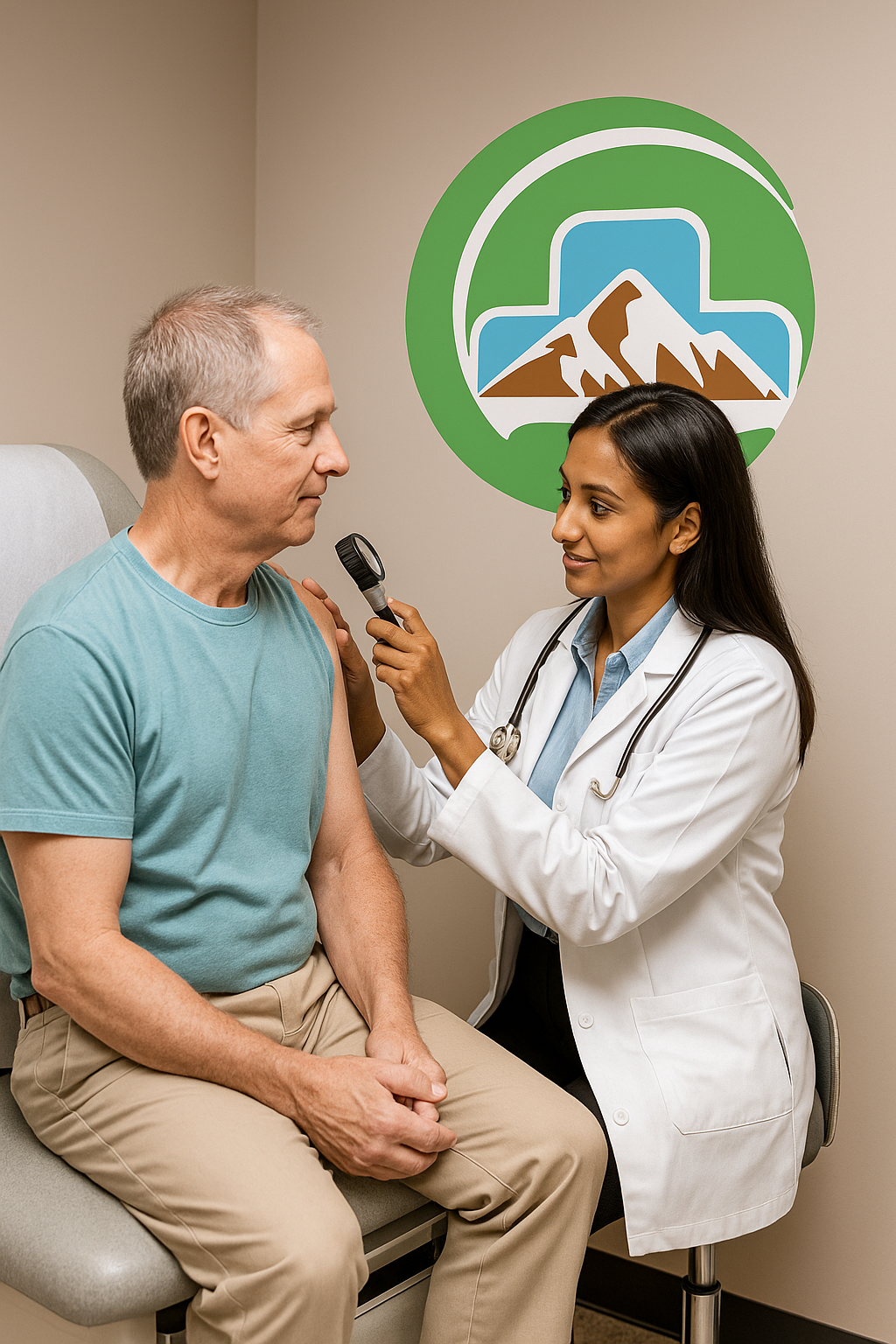
- Use a dermatoscope, a handheld magnifying device with a light, to look more closely at any spots of concern. This is painless and non-invasive.
- Discuss anything you’ve noticed or are worried about, so it’s a good idea to point out any spots you’d like checked.
If a spot needs monitoring, your doctor may photograph it so it can be compared over time. If a spot looks suspicious, your doctor will talk you through the recommended next steps, which may include a biopsy or removal for further testing.
A skin check is straightforward and usually takes around 15 to 30 minutes, depending on how many spots need a closer look.
What to Expect at Your Appointment
To get the most from your skin check, it helps to:
- Avoid wearing makeup on the day, or be prepared to remove it, so your doctor can see your skin clearly.
- Wear clothing that’s easy to remove. You’ll be asked to undress to your underwear so your skin can be examined properly, and your privacy and comfort are always respected.
- Remove nail polish if you’d like your nails checked, as skin cancers can occasionally appear under the nails.
- Tell your doctor about any spots that are new, changing, or that you’re concerned about.
When Should You Get a Skin Check?
It’s worth booking a skin check if you:
Have noticed a new spot or mole, or a change in an existing one.
Have fair skin, lots of moles, or a history of sunburn or significant sun exposure.
Have a spot that itches, bleeds, or won't heal.
Work or spend a lot of time outdoors.
Have a personal or family history of skin cancer.
Haven't had your skin checked before and would like a baseline assessment.
Your doctor can advise how often you should return based on your individual risk factors.
Know What to Look For: The SCAN Guide
Between professional checks, it’s helpful to get to know your own skin so you can spot changes early. The Skin Cancer College Australasia promotes the simple “SCAN your skin” guide. See your doctor if a spot is:
- Sore: scaly, itchy, bleeding, or tender, and doesn’t heal within six weeks.
- Changing: in size, shape, or colour.
- Abnormal: looks, feels, or stands out as different from your other spots.
- New: has appeared recently, especially if you are over 40.
A home check is not a substitute for a professional skin examination, but it does help you notice changes worth getting checked.
Skin Conditions We Assess
Our doctors can assess and help manage a range of skin concerns, including:
- New, changing, or unusual moles
- Existing moles that are growing or changing
- Lumps, spots, or growths on the skin
- Rough, scaly, or persistent patches
- Bleeding, weeping, or non-healing spots
- Suspected skin cancers and other skin lesions
Treatments and Procedures
Where treatment is needed, the options your doctor may discuss include:
Cryotherapy:
freezing of sun spots and certain minor lesions.
Flap and graft repair:
techniques sometimes used to close the area after a larger excision.
Biopsy:
taking a small sample of skin for laboratory testing to confirm a diagnosis.
Excision (minor surgery):
removal of a lesion, which is then sent for testing.
Flap and graft repair:
techniques sometimes used to close the area after a larger excision.
Haven't had your skin checked before and would like a baseline assessment.
Your doctor will explain which option is suitable for your situation, including what’s involved and any associated costs, before proceeding.
Why Early Detection Matters
According to the Cancer Council, when skin cancer is found early, it is often able to be treated effectively. That’s why becoming familiar with your own skin and having regular professional checks, particularly in a high-UV state like Queensland, is so worthwhile. Our doctors can also send reminders when your next skin check is due.
Skin Checks for the Scenic Rim and Gold Coast Hinterland
With an outdoor lifestyle and high year-round UV levels, residents across Canungra, Tamborine Mountain, Beechmont, Wonglepong, Witheren, Boyland, and the wider Scenic Rim have good reasons to keep on top of their skin health. Our Canungra clinic makes it convenient to have a skin check close to home, without travelling to the coast.
Frequently Asked Questions
No, you don’t need a referral to book a skin check with our doctors. You can book directly by phone or online.
After a Skin Surgery or treatment is completed, Canungra Town Medical Centre offers Bulk Billing follow up consultations.
Most skin checks take around 15 to 30 minutes, depending on how many spots need a closer look and whether you have a history of skin concerns.
A standard skin check is painless. The dermatoscope used to examine spots only rests gently against the skin. If a biopsy or removal is needed, local anaesthetic is used to numb the area.
This depends on your individual risk factors, such as skin type, history of sun exposure, and personal or family history of skin cancer. Your doctor will recommend how often you should return.
Book an appointment to have it checked. Changes in size, shape, colour, or a spot that itches, bleeds, or won’t heal are worth having looked at promptly.